

Key Takeaways
- Preservation over Speed: Older homes feature delicate millwork, plaster, and original fixtures that require gentle, pH-neutral products instead of harsh chemical agents.
- Micro-Debris Management: Deep baseboards, intricate floor registers, and historic plaster trap airborne dust and soot differently than modern drywall homes.
- Safety & Care Protocols: Steep staircases, narrow layouts, and older electrical setups require lightweight equipment and deliberate cord management.
- Adapted Cleaning Timelines: Cleaning historic properties prioritizes meticulous, hand-detailed care over rapid assembly-line scrubbing.
When maintaining an older or historic home near Geneva’s charming historic districts, standard housekeeping methods rarely tell the whole story. Historic architecture—from classic Victorians to Craftsman and Greek Revival residences—presents unique structural quirks and irreplaceable materials that standard modern cleaning products can easily damage. If you are looking for reliable maid services in Geneva, Illinois, understanding how professional care adapts to these historic spaces makes all the difference in preserving your home’s character while keeping every corner spotless.
Material Preservation and Chemistry Adjustments
Modern construction relies heavily on durable synthetic materials, sealed laminate surfaces, and factory-finished cabinetry designed to withstand aggressive multi-surface cleaners. Historic homes, by contrast, are built with sensitive, porous materials that require specialized care.
Standard commercial detergents or acidic multi-surface sprays can dull aged shellac finishes, strip original varnish, or cause unsealed wood trim to warp over time. Professional cleaners approaching an older home shift their chemistry kits toward gentle, non-abrasive, and pH-neutral solutions.
Protecting Original Woodwork and Plaster
Original baseboards, crown molding, and wainscoting carry decades—sometimes centuries—of natural character. Rather than spraying heavy liquids directly onto aged trim, technicians apply mild, eco-friendly cleaning agents directly to microfiber towels to carefully lift surface soil.
Historic lath-and-plaster walls also breathe differently than modern drywall. Because plaster surfaces can harbor fine micro-cracks or delicate paint layers, gentle wiping with damp cloths prevents moisture from seeping into underlying structural layers.
Proper maintenance of historic interior finishes requires non-abrasive cleaning methods to prevent irreversible surface degradation and preserve original craftsmanship.
Caring for Antique Fixtures and Glass
Unlacquered brass hardware, copper plumbing fixtures, and wavy cylinder window glass cannot tolerate abrasive scrubbing powders or ammonia-heavy glass cleaners. Ammonia can react with older metals and strip natural patinas, while harsh powders leave permanent hairline scratches on antique glass. Professional teams rely on soft microfiber cloths, mild plant-based surfactants, and dedicated metal polishes designed to preserve original luster without scratching.
| Historic Material | Standard Cleaning Risk | Recommended Professional Approach |
| Aged Shellac / Wood Trim | Stripping, discoloration, warping | pH-neutral cleansers applied via damp microfiber |
| Historic Plaster Walls | Moisture absorption, paint chipping | Gentle wet-dusting with minimal surface moisture |
| Unlacquered Brass | Patina stripping, chemical tarnishing | Non-abrasive, specialized metal-safe cleansers |
| Wavy / Antique Glass | Fine surface scratching | Soft microfiber with ammonia-free solutions |
Managing Crevice Dust, Soot, and Airborne Debris
Decades of natural settling, seasonal temperature shifts, and historic heating systems mean older homes accumulate a distinctly different profile of interior debris compared to newer builds.
Addressing Structural Crevices and Radiators
Deep baseboard profiles, intricate floor vents, and cast-iron radiators act as natural collection points for fine dust. Rather than relying solely on high-speed dry dusting—which frequently scatters fine particles back into the room—professionals use vacuum brush attachments followed by detailed hand-wiping.
Dust management is particularly critical during transitional months. According to indoor air quality guidelines published by the U.S. Environmental Protection Agency (EPA), controlling interior dust accumulation and maintaining clean heating vents significantly improves overall indoor air quality.
Handling Historic Soot and Fine Sediment
Homes built with wood-burning fireplaces or historic coal and oil heating systems often harbor lingering micro-soot locked into rough ceiling beams, attic access doors, or ornamental plaster work. Removing these stubborn carbon-based residues requires specialized techniques, such as dry-chem sponges or low-moisture extraction, preventing dark soot from smearing deeper into porous surfaces.
Structural Navigation and Team Safety Protocols
The physical layout of historic residences requires specific operational changes to protect both the cleaning crew and the home’s architectural elements.
Navigating Narrow Stairs and Tight Layouts
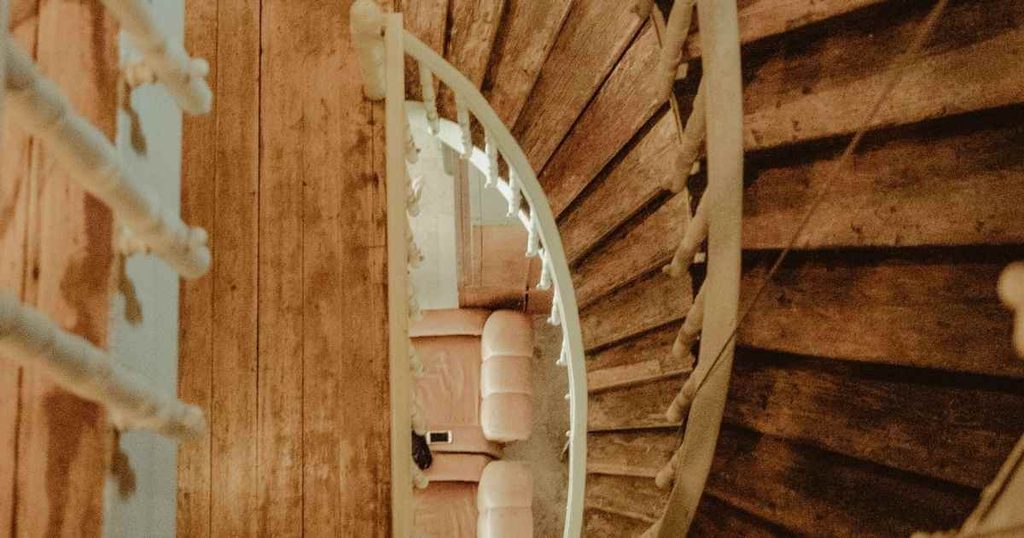
Historic homes often feature steep, narrow servant staircases, tight hallways, and delicate banisters. Carrying heavy, bulky upright vacuums up these stairwells increases the risk of accidental scuffs against original wallpaper or trim.
To mitigate these risks, professional cleaning teams utilize lightweight, ergonomic backpack vacuums equipped with HEPA filtration. This equipment allows technicians to move safely through tight vertical spaces while maintaining stable balance.
Managing Older Electrical Configurations
Older homes frequently feature fewer wall outlets, ungrounded two-prong receptacles, or delicate electrical circuits. Professional crews plan their cord management meticulously to prevent overloading older breakers:
- Utilizing commercial battery-powered or cordless equipment where appropriate.
- Mapping outlet usage across separate circuits when operating high-draw equipment.
- Routing heavy-duty extension cords safely away from high-traffic walkways and delicate antique furniture.
Flexible Pacing vs. Production Speed
In modern residential developments, cleaning schedules can often follow a rigid, room-by-room sequence. Historic properties require an adaptable pacing model where thorough preservation takes priority over rapid speed.
Carefully detailing multi-pane window sashes, intricate wood mantels, and original hardwood flooring layouts naturally demands additional time. Professional teams adjust their operational pacing to ensure every historic surface receives the deliberate, detailed attention it requires.
For homes requiring an intensive seasonal refresh, pairing specialized care with a dedicated deep cleaning service helps address built-up sediment across high-touch architectural details.
Need Help Caring for Your Geneva Home?
Maintaining the character and cleanliness of an older home requires patience, the right eco-friendly products, and a gentle touch. At Best Day Housecleaning, our fully insured and background-checked team takes pride in providing thoughtful, detailed care tailored to your home’s unique layout and needs. Whether you need ongoing home care, a detailed deep refresh, or specialized move-in/move-out cleaning, we back every visit with our 24-hour satisfaction guarantee. Ready to experience a cleaner, fresher home? Connect with our team today or call us directly at (630) 463-9041 to discuss your custom cleaning plan.
